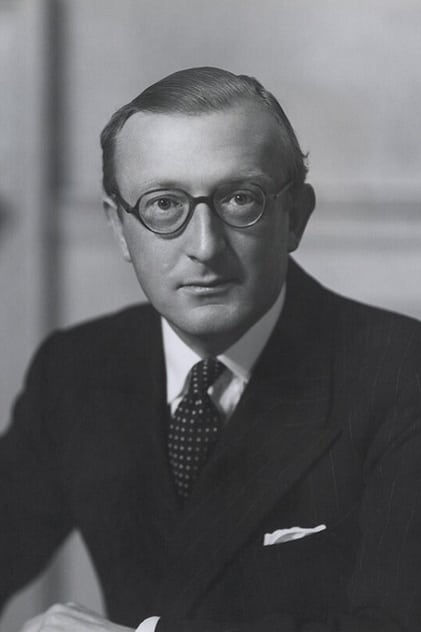
Alexander Baron
Writing
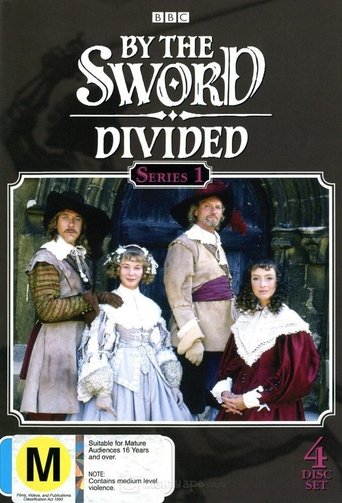
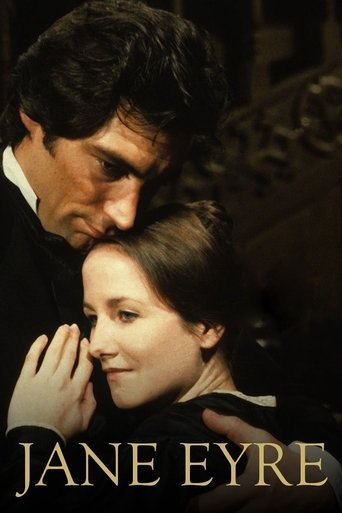
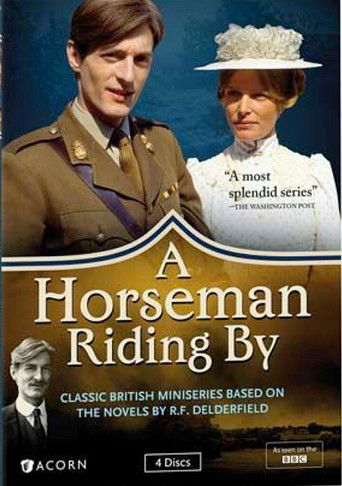
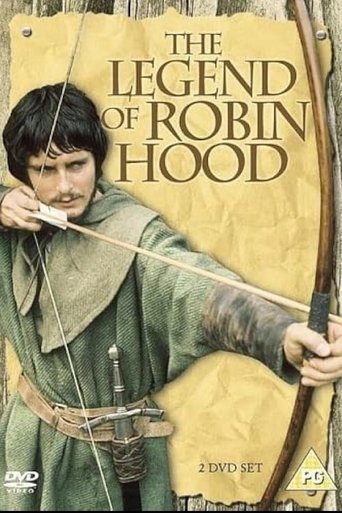
Alexander Baron (1917-1999) was a novelist and screenwriter. Born into a working class Jewish home in Hackney, Baron joined the Communist Party as a young man, saw the thick of battle in Sicily and Normandy during WWII, and became one of the most admired novelists of post-war Britain. His first novel, From the City, From the Plough (1948) was based on his own wartime experiences, specifically D-Day, and was acclaimed as the definitive novel of WWII. It was the first of a trilogy, including There's No Home (1950) and The Human Kind (1953), the latter of which was adapted into the film The Victors (1963). Literary success led to him writing screenplays for films such as Robbery Under Arms (1957) and The Siege of Sidney Street (1960). This was followed by a string of novels about working class life in post-war London, including The Lowlife (1963), a cult novel for many other writers ever since, and a secondary career as a TV scriptwriter, specifically adapting literary classics like The Further Adventures of the Musketeers (1967), The Legend of Robin Hood (1975), A Horseman Riding By (1978), Sense and Sensibility (1981), The Hound of the Baskervilles (1982), Stalky & Co. (1982) Jane Eyre (1983), Goodbye Mr. Chips (1984), Oliver Twist (1985) and Vanity Fair (1987). In recent years, Baron's reputation has flourished, with many of his fifteen novels now back in print.
Known for
Writing25
 tv
tvVanity Fair
1987
Writer
 tv
tvOliver Twist
1985
Writer
 movie
movieOliver Twist
1985
Writer
 tv
tvThe Adventures of Sherlock Holmes
1984
Writer, Adaptation
 tv
tvGoodbye Mr Chips
1984
Writer
 tv
tvJane Eyre
1983
Writer
 movie
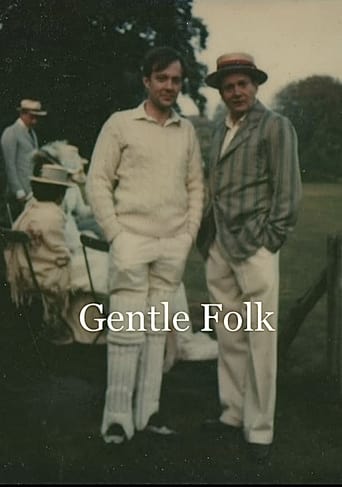
movieGentle Folk
1980
Writer
 tv
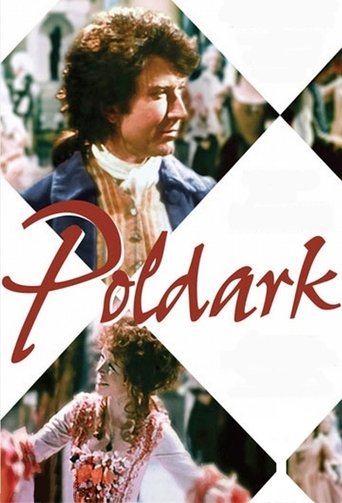
tvPoldark
1975
Writer
 tv
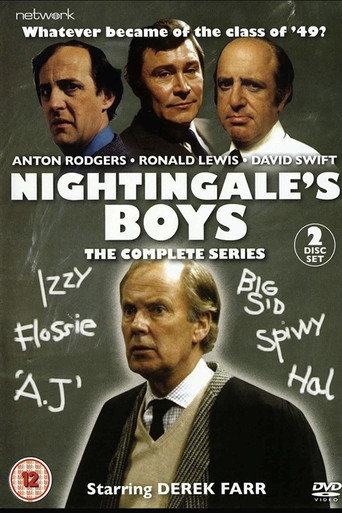
tvNightingale's Boys
1975
Writer
 tv
tvPlayhouse
1974
Writer
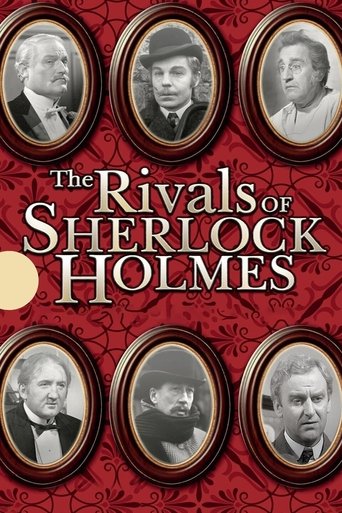 tv
tvThe Rivals of Sherlock Holmes
1971
Screenplay, Teleplay

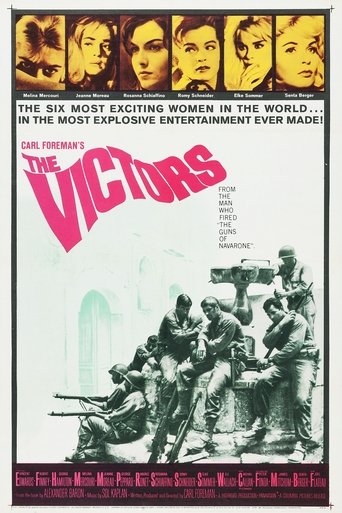 movie
movieThe Victors
1963
Novel
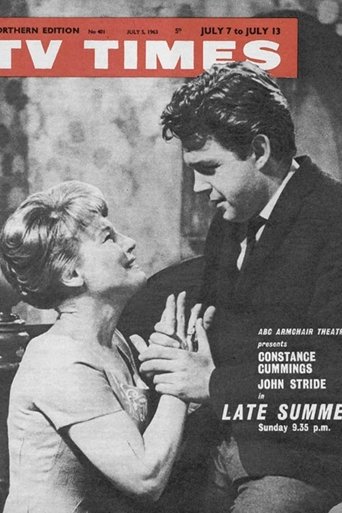 movie
movieLate Summer
1963
Writer
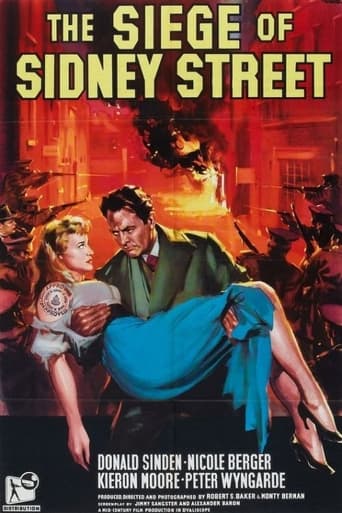 movie
movieThe Siege of Sidney Street
1960
Screenplay
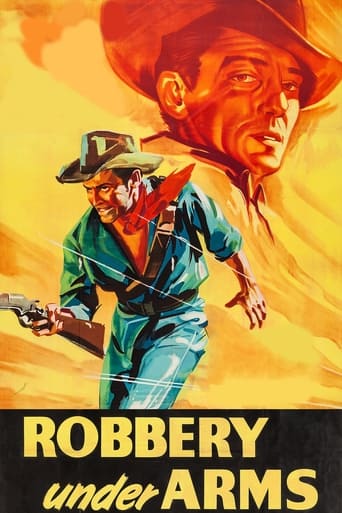 movie
movieRobbery Under Arms
1957
Screenplay
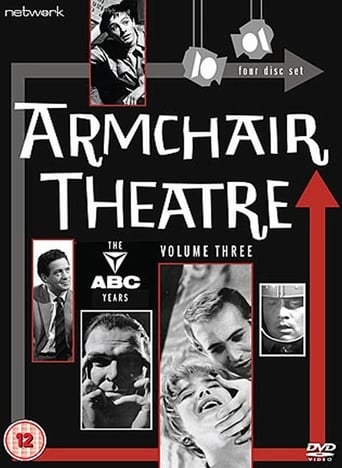 tv
tvArmchair Theatre
1956
Writer
Creator5
Crew3
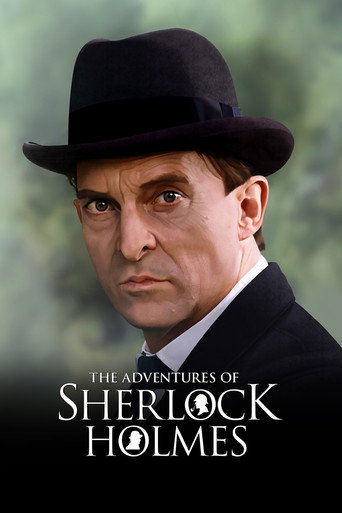 tv
tvSherlock Holmes
1984
Dramaturgy
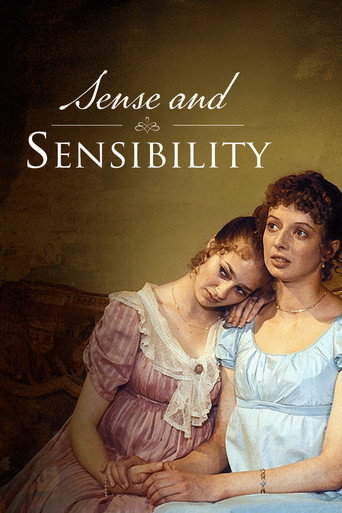 tv
tvSense and Sensibility
1981
Creator
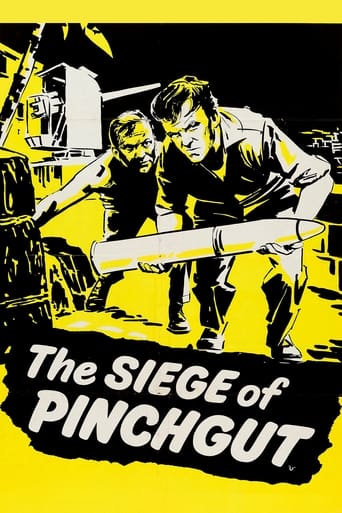 movie
movieThe Siege of Pinchgut
1959
Additional Dialogue