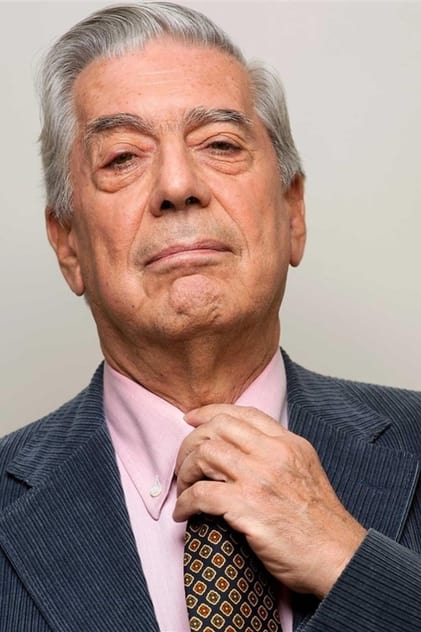
Mario Vargas Llosa
Writing
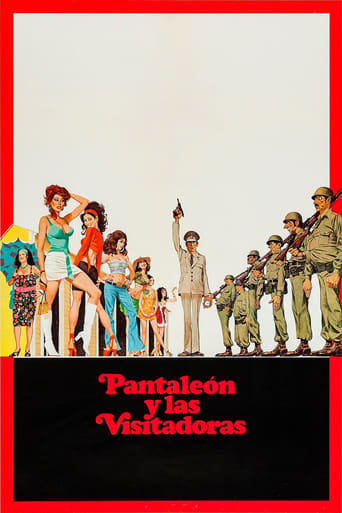
Jorge Mario Pedro Vargas Llosa, 1st Marquis of Vargas Llosa (born 28 March 1936), more commonly known as Mario Vargas Llosa, is a Peruvian writer, journalist, essayist, college professor, and a former politician, who also holds Spanish citizenship. Vargas Llosa is one of Latin America's most significant novelists and essayists, and one of the leading writers of his generation. Some critics consider him to have had a larger international impact and worldwide audience than any other writer of the Latin American Boom. In 2010 he won the Nobel Prize in Literature, "for his cartography of structures of power and his trenchant images of the individual's resistance, revolt, and defeat." He also won the 1967 Rómulo Gallegos Prize, the 1986 Prince of Asturias Award, the 1994 Miguel de Cervantes Prize, the 1995 Jerusalem Prize, the 2012 Carlos Fuentes International Prize, and the 2018 Pablo Neruda Order of Artistic and Cultural Merit. Vargas Llosa rose to international fame in the 1960s with novels such as The Time of the Hero (La ciudad y los perros, literally The City and the Dogs, 1963/1966), The Green House (La casa verde, 1965/1968), and the monumental Conversation in the Cathedral (Conversación en la catedral, 1969/1975). He writes prolifically across an array of literary genres, including literary criticism and journalism. His novels include comedies, murder mysteries, historical novels, and political thrillers. Several, such as Captain Pantoja and the Special Service (1973/1978) and Aunt Julia and the Scriptwriter (1977/1982), have been adapted as feature films. Many of Vargas Llosa's works are influenced by the writer's perception of Peruvian society and his own experiences as a native Peruvian. Increasingly, he has expanded his range, and tackled themes that arise from other parts of the world. In his essays, Vargas Llosa has made many criticisms of nationalism in different parts of the world. Another change over the course of his career has been a shift from a style and approach associated with literary modernism, to a sometimes playful postmodernism. Like many Latin American writers, Vargas Llosa has been politically active throughout his career. While he initially supported the Cuban revolutionary government of Fidel Castro, Vargas Llosa later became disenchanted with its policies, particularly after the imprisonment of Cuban poet Heberto Padilla in 1971, and now identifies as a liberal. He ran for the Peruvian presidency in 1990 with the center-right Frente Democrático coalition, advocating classical liberal reforms, but lost the election to Alberto Fujimori. He is the person who, in 1990, "coined the phrase that circled the globe," declaring on Mexican television, "Mexico is the perfect dictatorship", a statement which became an adage during the following decade. Vargas Llosa is also one of the 25 leading figures on the Information and Democracy Commission launched by Reporters Without Borders.
Known for


Writing10
 movie
movieTattoos in Memory
2024
Screenplay

 movie
movieYaguar
1987
Novel
 movie
movieSepa: Our Lord of Miracles
1986
Screenplay
 movie
movieThe Cubs
1973
Writer
Acting20
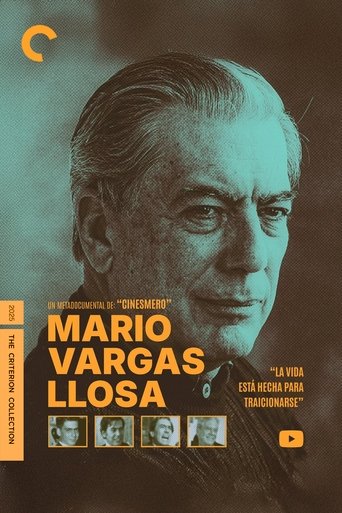
 movie
movieThe Padilla Affair
2023
Self (archive footage)
 movie
movieLa última lidia
2023
Él mismo
 tv
tvMilá Vs Milá
2021
Entrevistado
 movie
movieThe Emma Bovary Trial
2021
Self - Writer
 tv
tvHemingway
2021
Himself – Writer
 movie
movieMario y los perros
2019
Self - Writer
 movie
movieEl Quijote desde la platea
2019
Self - Writer
 tv
tvDani&Flo con Lara Álvarez
2017
Self - Interviewee
 tv
tvSkavlan
2009
Self - Guest
 tv
tvDe pé a pá
1996
Self
 tv
tvLo + plus
1995
Self - Guest
movieSepa: Our Lord of Miracles
1986
Narrator (voice)
 movie
movieLas alturas de Macchu Picchu
1981
Narrator (voice)
Crew1
 movie
movieSome Time Later
2018
Thanks