Maurice Jaubert
Sound
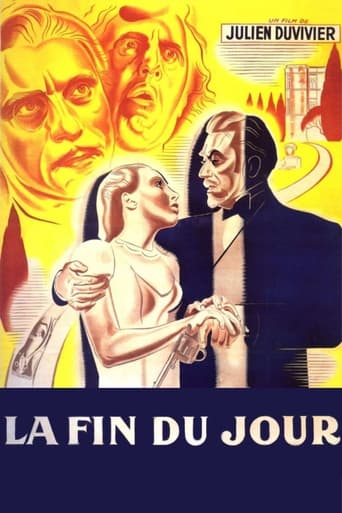
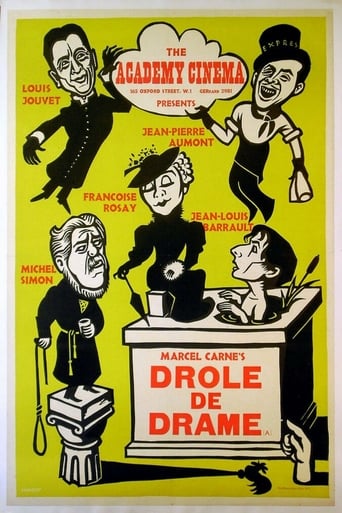
Maurice Jaubert (3 January 1900 – 19 June 1940) was a prolific French composer who scored some of the most important films of the early sound era in France, including Jean Vigo’s Zero for Conduct and L'Atalante, and René Clair’s Quatorze Juillet and Le Dernier Milliardaire. Serving in both world wars, he died in action during World War II at the age of 40. Born in Nice on 3 January 1900, he was the second son of François Jaubert, a lawyer who would become the president of the Nice bar. Jaubert grew up in a musical household, and began playing the piano aged five. After gaining his baccalaureat from the Lycée Masséna in Nice in 1916, he enrolled at the Nice Conservatory of Music, where he studied harmony, counterpoint and piano. He was awarded the first piano prize in 1916. Jaubert left for Paris and studied law and literature at the Sorbonne. When he returned to his native town in 1919, he was the youngest lawyer in France. His first compositions date from this period but soon after he undertook his military service and became an officer in engineering. Demobilized in 1922, Jaubert decided to give up law practice and devote all his time to music. The next year, he completed his musical education in Paris with Albert Groz, while undertaking a variety of music related jobs such as proof correction and checking Pleyela rolls. Jaubert's compositions in the early 1920s include songs, piano pieces, chamber music, and divertissements. He wrote his first stage music in 1925 for a play by Calderón, Le Magicien prodigieux, using the Pleyela, a revolutionary player piano at the time. He was then hired by Pleyel to record rolls on the Pleyela. Indeed, Jaubert was always attracted by technical innovations that could serve his artistic aspirations. While working on this play, he met a young soprano, Marthe Bréga, who would sing most of his vocal compositions. They married in 1926, with Maurice Ravel as Jaubert's best man. They had a daughter, Françoise, in 1927. His 'poème chorégraphique' Le Jour was premiered by the Orchestre Symphonique de Paris under Pierre Monteux in 1931, while a Suite française was premiered by Vladimir Golschmann in St Louis the following year. His music was written in a style of clarity, frankness and freedom, in which he did not seek novelty for the sake of it and in which his spontaneity is not weighed down by pedantic formulas. His writings comprise articles and lectures, as well as a large number of letters that capture his political opinions. how he viewed his times, and his musical tastes (for example, he was a strong supporter of Kurt Weill when that composer was widely misunderstood). In 1929, while pursuing his work for the concert hall and the stage, Maurice Jaubert began writing and conducting for cinema. He collaborated with prominent directors such as Alberto Cavalcanti (Le Petit Chaperon Rouge), Jean Vigo (Zero for Conduct and L'Atalante), René Clair Quatorze Juillet and Le Dernier Milliardaire, Julien Duvivier (Carnet de bal and La Fin du Jour, Marcel Carné’s Drôle de drame, Hôtel du Nord, Quai des brumes (Port of Shadows), and Le Jour se lève (Daybreak) and Henri Storck’s Belgian documentaries. ... Source: Article "Maurice Jaubert" from Wikipedia in English, licensed under CC-BY-SA 3.0.
Known for
Sound27
 movie
movieCinéastes de notre temps : Jean Vigo
2012
Original Music Composer
 movie
movieThe Green Room
1978
Original Music Composer
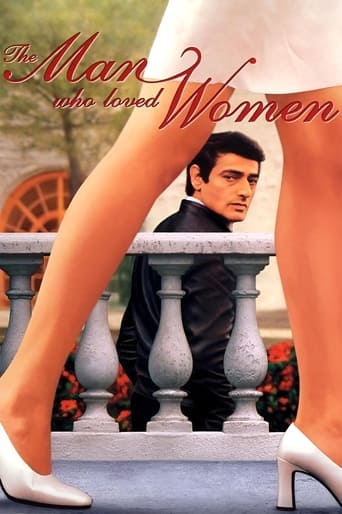 movie
movieThe Man Who Loved Women
1977
Original Music Composer
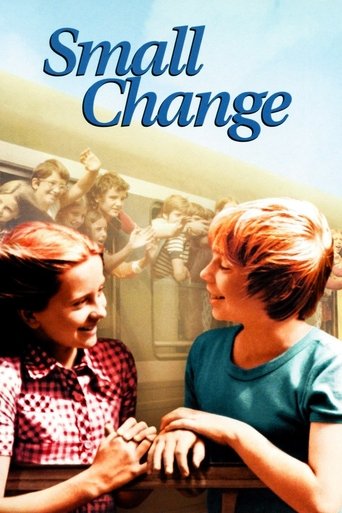 movie
movieSmall Change
1976
Original Music Composer
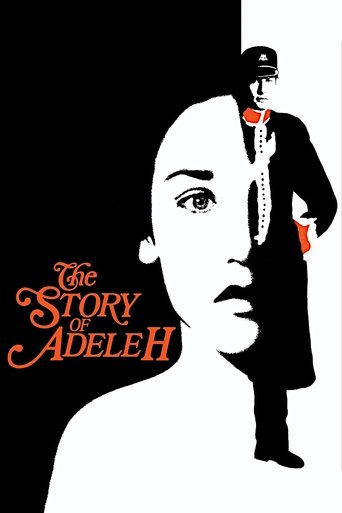 movie
movieThe Story of Adèle H.
1975
Original Music Composer
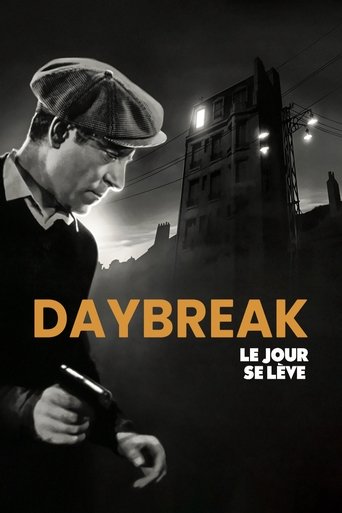 movie
movieDaybreak
1939
Original Music Composer
 movie
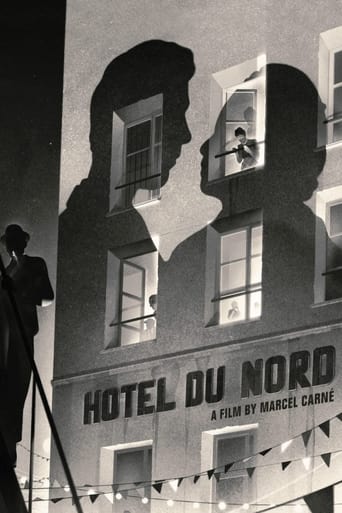
movieHôtel du Nord
1938
Original Music Composer
 movie
moviePort of Shadows
1938
Original Music Composer
 movie
movieBizarre, Bizarre
1937
Original Music Composer
 movie
movieLife Dances On
1937
Original Music Composer
 movie
movieBluebeard
1936
Original Music Composer
 movie
movieMayerling
1936
Music Director
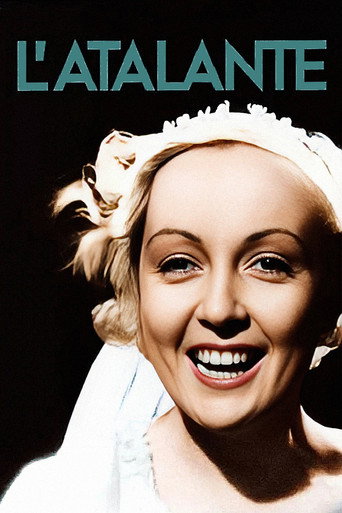 movie
movieL'Atalante
1934
Original Music Composer
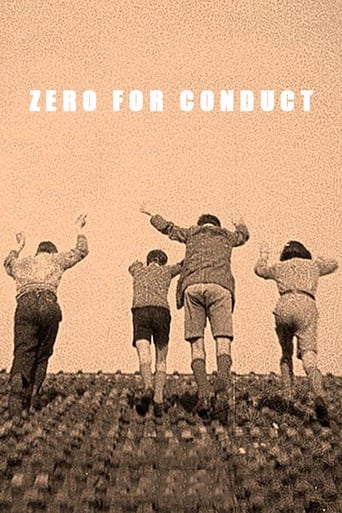 movie
movieZero for Conduct
1933
Original Music Composer
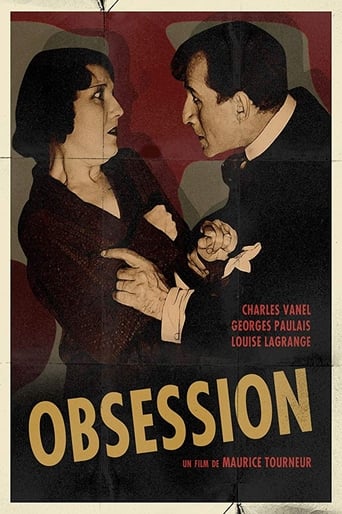 movie
movieObsession
1933
Original Music Composer
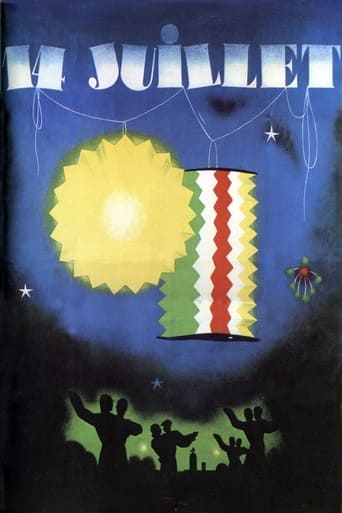 movie
movieJuly 14
1933
Original Music Composer
 movie
movieCaprelles et Pantopodes
1930
Original Music Composer
 movie
movieHyas and Stenorhynchus
1929
Music Director
Acting2
 movie
movieNight in December
1941
Le chef d'orchestre en 1939 (uncredited)